
How to Deepen Your Qigong Practice
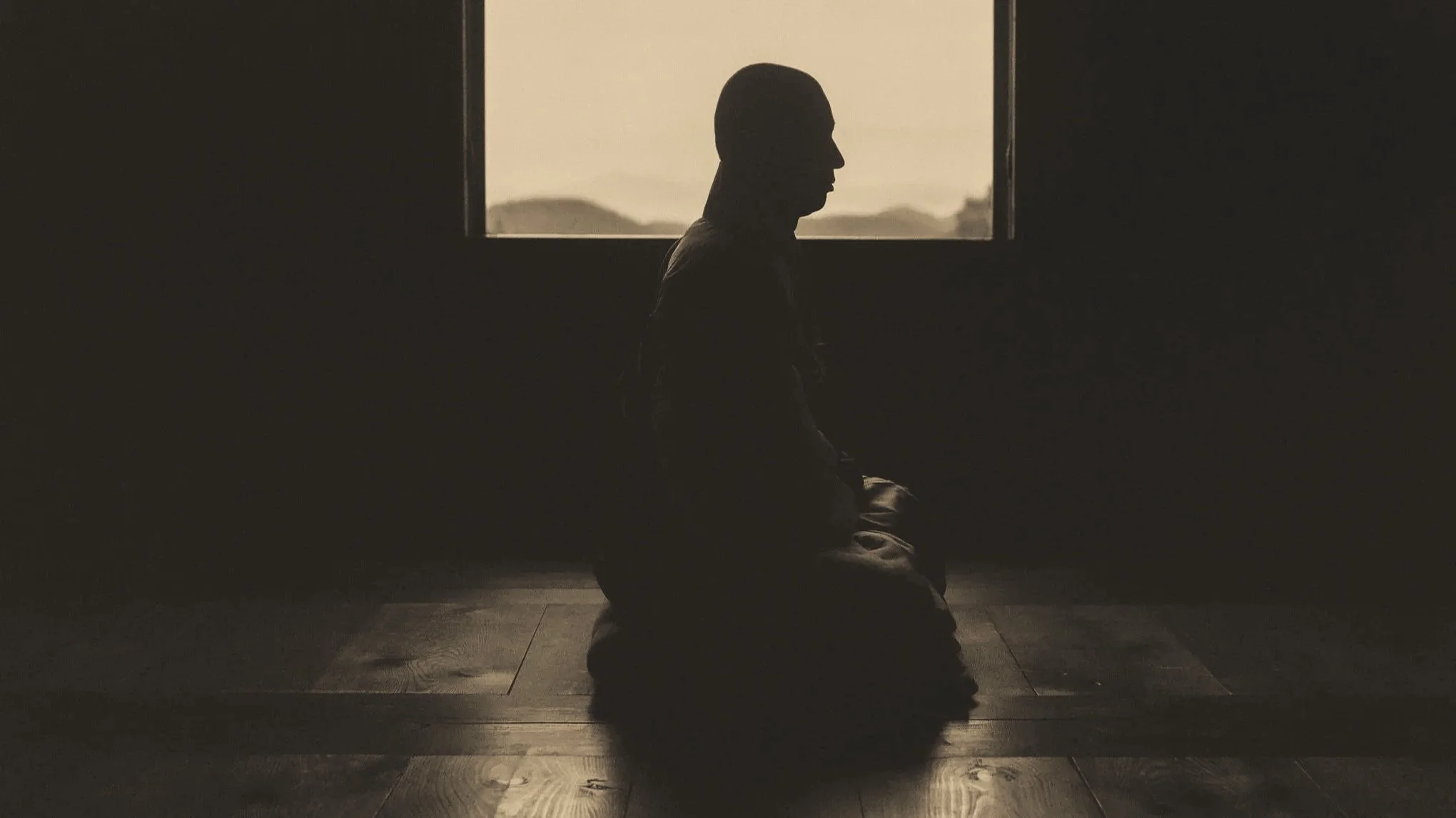
San Tiao: Tuning the Body, Breath, and Heart-Mind for Deeper Qigong Cultivation
In this article:
Before You Play the Music, You Tune the Instrument
Whether it's Qigong, meditation, Taiji, or yoga, we're often so eager to begin the "real" practice that we skip the foundations that make our practice effective.
Imagine attending a symphony concert: the musicians walk on stage and immediately begin to play, without first tuning their instruments. It would probably sound pretty terrible.
One of the most indispensable, and least discussed, ways of taking our practice deeper is Sān Tiáo (三调) — the Three Regulations. In Daoist cultivation, these processes are both preparatory and advanced.
“The three regulations are the doorway through which deeper cultivation becomes possible.”
And, without them, higher-level practices can remain ever out of reach.
Consider mastery in any art. For example, a violinist will tune their instrument before playing, adjusting each string until it is in proper relationship with the others.
At the level of a concert violinist, after the initial tuning, the musician continues to make micro-adjustments in their finger pressure and placement — changes too subtle for most of the audience to notice, yet essential to the quality of the music.
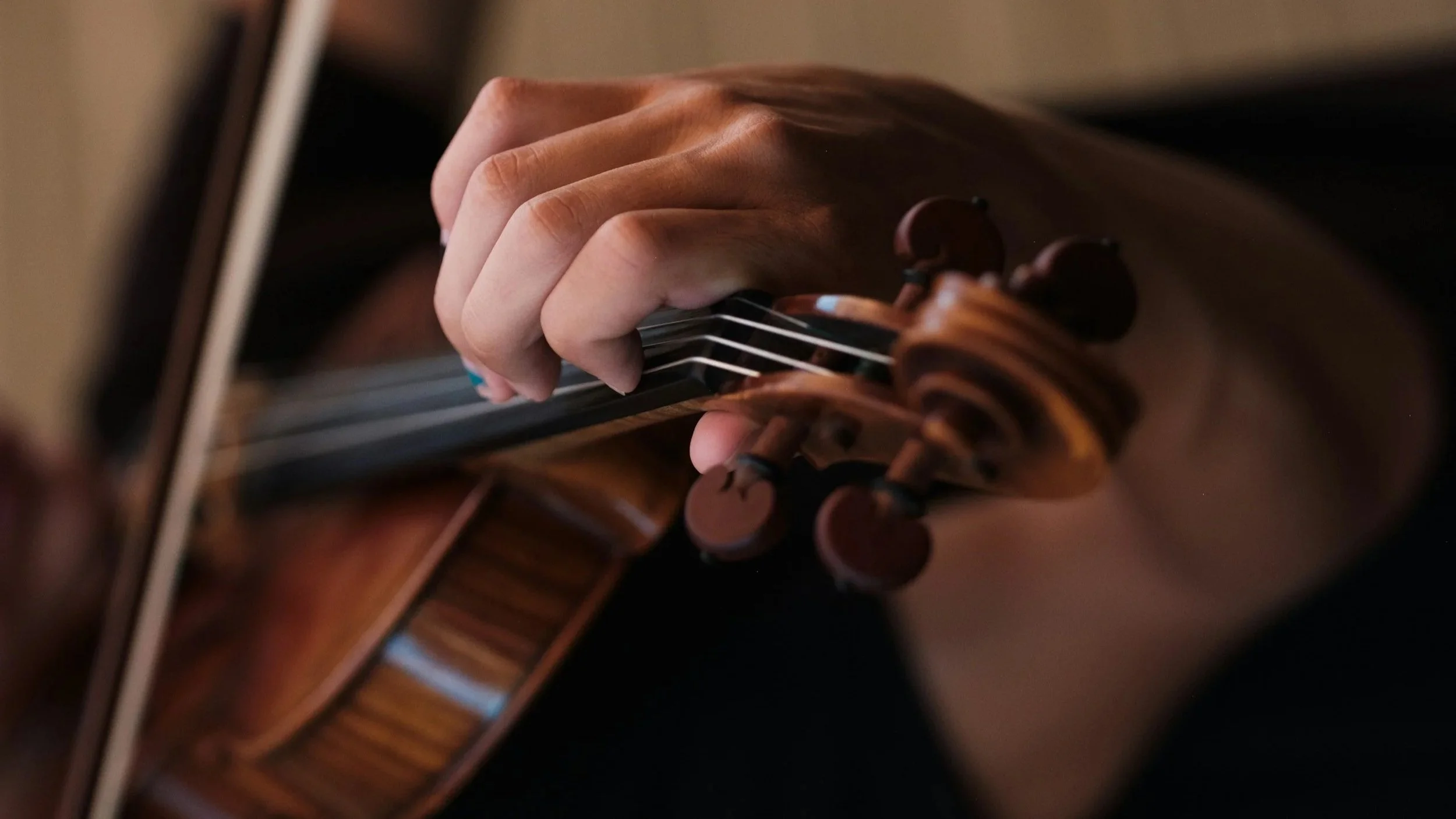
In the internal arts, we do something similar. Before we cultivate Qi, we cultivate the internal environment that allows us to both move and contain that Qi. And, as our practice deepens, we return and attend to that internal environment again and again, refining it at increasingly subtle levels each time.
Tiao (调) means to tune, regulate, or adjust.
Like tuning a musical instrument, the goal is to bring different parts into harmony.
The three tunings are:
Tiáo Shēn (调身) — Regulating the body
Tiáo Xī (调息) — Regulating the breath
Tiáo Xīn (调心) — Regulating the heart-mind
Each tuning refines one of the Three Treasures of internal cultivation:
The body houses Jīng (精) — our physical essence and vitality
The breath moves Qì (气) — our animating force
The heart-mind holds Shén (神) — our spirit: the quality of awareness we bring to the moment.
What does it mean to tune the body, breath, and heart-mind?
Tuning the Body
At a foundational level, tuning the body means bringing our physical self in alignment with our intention for practice.
This involves establishing proper structure, creating space and softness in our joints, and cultivating Sōng (松) — a state of active relaxation.
Tuning the Breath
Regulating our breath means making it even and responsive. This begins with Natural Breathing: diaphragmatic breathing in 6 directions — expanding front and back, side to side, and upward and downward — anchored in our lower Dantian. This grounds and stabilizes our Qi.
Tuning the Heart-Mind
Tuning our heart-mind means gathering our attention and focusing on the task at hand. We allow our mind and emotions to become settled and quiet — a calm awareness that is anchored in the present moment.
These regulating practices can be found throughout internal cultivation traditions. In Daoist cultivation, regulating the San Tiao is what allows the refined work of Neigong and Neidan to take place. In Taijiquan, the integration of posture, breathing, and awareness is, likewise, foundational.
Chan (Zen) Buddhism also engages these specific regulations. Going further back still, Zhiyi, the 6th-century founder of the Tiantai school of Buddhism, prescribed these same regulations of the body, breath, and mind in his meditation manuals.

The San Tiao Work Together
The San Tiao have a reciprocal relationship:
A relaxed body will calm and deepen our breath.
A rooted breath will anchor and soften our heart-mind.
That reciprocal relationship can also go in the opposite direction. If our body is tense, our breath will be constrained. If our breath is bound-up, our thoughts will be too. If our mind and emotions are knotted, our body will reflect that.
Forcing concentration with a restless mind or trying to move Qi through a tense body is a recipe for increasing the very tension we're trying to release.
Of course, this principle extends well beyond formal practice.
“Our Qigong practice is ultimately our life practice.”
When we have conversations while distracted and agitated, or make decisions while exhausted, we are asking an untuned instrument to perform.
From Preparation to Qigong Mastery
Modern culture tends to treat preliminary exercises as something to get through before the "real" stuff happens.
In the cultivation arts, preparation is practice.
Regulating our body, breath, and heart-mind is itself a form of cultivation.
The more refined and advanced our practice becomes, the more consequential subtle misalignments of our structure, breathing, or state of mind become.
How deeply we engage these regulations determines how far the practice can take us — they are integral to the practice itself.
We translate the word Tiao as 'regulate' or 'tune,' but in truth, it's more than that.
Tiao is about being responsive in a way that will bring us into appropriate relationship — and the capacity to adjust as needed.
“This reflects the Daoist understanding of harmony as an ongoing relationship between ourselves and the greater world.”
When we cultivate an instrument that's responsive, resilient, and ready, our Qigong opens into deeper territory. And, even more importantly, so does our life.
Effective practice begins not by forcing ourselves to change, but by creating the conditions in which change can occur.
Want easy, practical ways to put this into practice?
When you subscribe you’ll also receive “Practice Principles.” It's an email series of easy (2 minutes each) Qigong preparatory practices you can do right now. And as a bonus, you get a brief breakdown — from both a Chinese Medicine and a Western Science perspective — of why they work.
